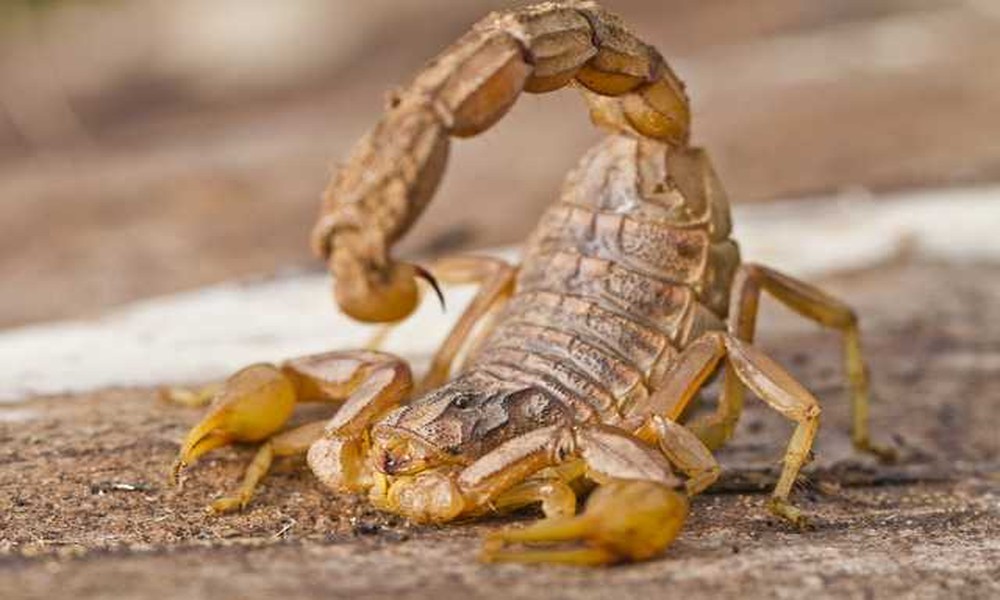
A homeowner in Tuscany Hills walks into the laundry room barefoot, sees a scorpion on the tile, and the rest of the night is spent on the couch with the lights on, googling whether the kids need to go to the ER. A few weeks later a neighbor in Canyon Hills finds two more in the garage. Construction is still active two streets over, and the whole hillside has been graded down to bare dirt for a future phase. The team at Main Sail Pest Control gets calls like these every summer from new tract neighborhoods across Lake Elsinore, Wildomar, Murrieta, and Menifee, and the underlying story is almost always the same. The grading didn’t just disturb the soil. It disturbed thousands of years of scorpion habitat, and the scorpions are looking for new shelter wherever they can find it.
The good news is that the species in southwest Riverside County are not the medically dangerous one most homeowners are picturing.
Which Scorpions Actually Live in Lake Elsinore
Three species account for almost every scorpion call in this part of the Inland Empire, and none of them is the Arizona bark scorpion that gets all the news coverage.
The stripe-tailed scorpion (Vaejovis spinigerus) is the most common. Adults reach about 2 1/2 inches, with a tan to light brown body and visible dark stripes running lengthwise along the upper side of the tail. They burrow shallow holes in sandy soil and shelter under almost any object left on the ground.
The Arizona hairy scorpion (Hadrurus arizonensis) is the largest scorpion in North America, reaching 5 to 7 inches at maturity. Yellow body, darker back, and noticeably hairy legs and tail. UC IPM lists it as established in Riverside County. They burrow more deeply than stripe-tailed scorpions and are usually encountered around the edges of properties that back onto undeveloped land.
The California common scorpion (Paruroctonus silvestrii) is widespread throughout the state. Smaller, around 2 to 3 inches, with a tan or pale yellow color and somewhat swollen pincers. This is the species most often seen wandering across a garage floor at night.
The Arizona bark scorpion (Centruroides sculpturatus), the species capable of medically serious envenomations, occurs only in the extreme southeastern corner of California near the Arizona border. UC IPM and the Santa Barbara Museum of Natural History both confirm its absence from the western Inland Empire. The scorpion you found in the laundry room almost certainly isn’t this one.
Why the Hillside Grading Sends Them Indoors
Lake Elsinore’s recent development pattern is hard on local scorpion populations.
Tract pads in Canyon Hills, Tuscany Hills, Rosetta Canyon, Summerly, and Alberhill Ranch sit on land that was open chaparral, decomposed granite hillside, or rocky scrub until grading began. Scorpions live in that habitat. When equipment scrapes the surface to set elevations, the resident population doesn’t disappear. It scatters to the property edges, takes refuge in displaced rock piles and boulders, and starts looking for replacement shelter as soon as soil moisture returns.
The new house provides everything they need:
- Cool, dark crevices in block walls, retaining walls, and stucco weep screens
- Slab edges with small expansion gaps
- Irrigation valve boxes that hold moisture year-round
- Pool equipment housings
- Garages with stored boxes and sports equipment along the floor
- Landscape rock features and mulch beds
- Palm tree skirts where dead fronds haven’t been removed
Active construction next door is a continuous source of pressure. Each new pad displaces another wave. The closer your home is to the active grading edge, the higher the scorpion call rate tends to run during the first two to three years.
How Dangerous Is the Sting, Really
For the species actually present in Lake Elsinore, the answer is “painful but not medically serious in healthy adults.”
The sting feels like a hard wasp sting. Localized intense burning, mild swelling, sometimes a brief numbness in the area. Symptoms usually subside within thirty minutes to a few hours. UC IPM specifically notes that stings from Vaejovis and Hadrurus species are “usually no more serious than stings of ants, bees, or wasps, unless a person has an allergic reaction.”
The risk picture changes for young children, elderly people, anyone with a known venom allergy, and anyone who develops difficulty breathing, vomiting, or systemic symptoms. Those reactions warrant a call to poison control and a same-day medical visit. For everyone else, ice, an over-the-counter pain reliever, and watchful waiting are typically enough.
This is genuinely useful to know in the moment, because the panic that follows a 2 a.m. scorpion sighting often does more damage than the scorpion would have.
UV Light: The Surprisingly Good Detection Tool
All scorpions fluoresce a vivid blue-green color under ultraviolet light. The molecular cause is still debated, but the practical fact is reliable across every species in California.
A 365-nanometer UV flashlight, available for under thirty dollars, turns a nighttime perimeter walk into a scorpion survey. Sweep the beam along block walls, around irrigation valve boxes, across the slab edge, around the pool equipment, and along the garage perimeter after dark. Scorpions glow brightly enough to be visible from ten or fifteen feet away, even in landscape mulch.
A few practical notes:
- The fluorescence is strongest in adults; juveniles fluoresce more faintly
- Recently molted scorpions don’t fluoresce at all for a short window
- The UV light also lights up other things (lint, certain rocks, tonic water spills) so a quick check with a regular flashlight confirms what you found
For a homeowner trying to decide whether they have one stray scorpion or an active population, a single UV walk through the yard at 10 p.m. provides a real answer.
How Main Sail Pest Control Approaches Scorpion Control
Effective scorpion management is a perimeter and exclusion job, not a spray-and-go.
A thorough inspection identifies the actual harborage points: the block wall caps, the irrigation valve boxes, the slab-to-wall junction, the gaps under garage doors, the spots where AC line sets and plumbing pass through stucco, the palm fronds left on trees, and the rock features in the landscaping.
Treatment combines a residual product applied around the perimeter and into the harborage points with targeted exclusion work to seal entry routes. The goal is not to fumigate the property. It’s to make the structure itself unappealing while reducing the population that’s pushing against it from the outside.
Recurring service is what holds the line, especially during the first few years after a tract is built out and the surrounding hillside is still being developed. Quarterly or bimonthly treatment timed around the warm-season activity peak keeps populations off the slab.
What You Can Do This Weekend
A few homeowner-side moves help substantially:
Skirt the palm trees by removing dead fronds. Pull mulch back six inches from the foundation. Clear stored items off the garage floor. Seal the gap under the garage door with a heavy-duty sweep. Patch obvious cracks in stucco and weep screen damage. Move the woodpile away from the house. At night, walk the perimeter with a UV flashlight and note where the activity actually is. Don’t reach blindly into shoes, boxes, or laundry that’s been on the floor.
If you’ve found more than one scorpion inside the house in the same season, the population is established enough that DIY measures alone won’t hold. Reach out to Main Sail Pest Control to schedule a perimeter inspection and treatment plan built for southwest Riverside County’s actual scorpion species and the specific pressure new hillside construction puts on a property.