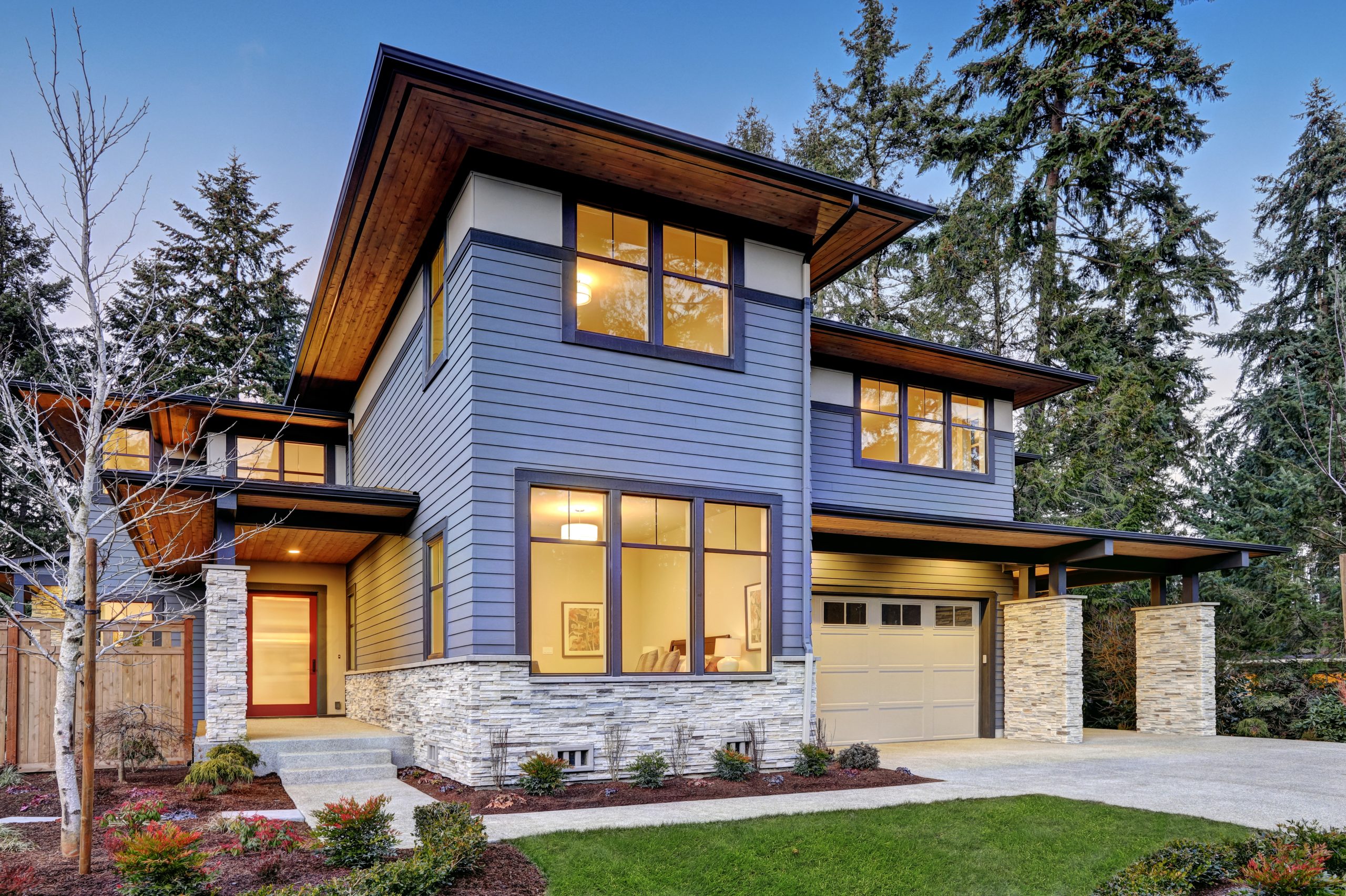
Replacing your home’s siding is one of the most impactful exterior upgrades you can make. Beyond improving curb appeal, it strengthens your home’s protection against moisture, wind, and temperature fluctuations-especially in climates like North Jersey, where seasonal extremes are common.
If you’re planning siding replacement in Bergen County NJ or siding replacement in Essex County NJ, understanding the full process helps you prepare, budget appropriately, and feel confident about the investment. Below is a step-by-step breakdown of what typically happens during a professional siding replacement project.
Why Siding Replacement Is a Major Exterior Upgrade
Siding is more than decorative. It acts as a barrier between your home’s structural components and the elements. Over time, materials can crack, warp, fade, or allow moisture intrusion.
Installing new siding on house exteriors:
- Improves insulation performance
- Reduces moisture-related damage
- Enhances structural durability
- Increases property value
- Refreshes exterior appearance
A well-executed project ensures long-term performance while addressing hidden issues that may not be visible from the surface.
Step 1: Initial Inspection and Consultation
Every professional project begins with a comprehensive evaluation.
During this stage, the contractor will:
- Assess the condition of your existing siding
- Identify signs of rot, moisture damage, or structural issues
- Measure your home’s exterior surface area
- Discuss material options and design preferences
This inspection helps determine the scope of work and influences the replacing siding cost. Homes with significant underlying damage may require additional repairs before installation begins.
You’ll receive a detailed estimate outlining materials, labor, and projected timelines.
Step 2: Material Selection and Planning
Once you decide to move forward, the next phase involves choosing the right siding material.
Common options include:
- Vinyl
- Fiber cement
- Engineered wood
- Composite materials
Each material varies in durability, maintenance requirements, and cost. Your contractor will help you compare options based on:
- Climate performance
- Aesthetic goals
- Budget
- Long-term maintenance expectations
Selecting the right product ensures your new siding on home exteriors withstands North Jersey’s seasonal weather patterns.
Step 3: Preparing the Job Site
Before removal begins, the crew prepares the property to protect landscaping and surrounding areas.
Preparation may include:
- Covering plants and shrubs
- Removing light fixtures and shutters
- Protecting windows and doors
- Setting up scaffolding or ladders
Clear communication about timelines and access ensures minimal disruption to your daily routine.
Step 4: Removal of Existing Siding
Old siding is carefully removed to expose the sheathing underneath. This stage is critical because it allows the contractor to inspect for hidden damage.
Common findings may include:
- Water-damaged sheathing
- Rotting wood
- Mold growth
- Inadequate insulation
If structural repairs are necessary, they are completed before new materials are installed. Addressing these issues early prevents future complications.
Step 5: Installing a Moisture Barrier
A weather-resistant barrier is installed over the exposed sheathing. This layer adds protection against water infiltration and improves overall insulation performance.
Proper flashing around windows, doors, and rooflines is also installed or reinforced. These areas are particularly vulnerable to leaks if not sealed correctly.
This stage is essential for ensuring the longevity of your siding system.
Step 6: Installation of the New Siding
Once preparation and repairs are complete, the new siding installation begins.
The crew will:
- Measure and cut panels precisely
- Align each section according to manufacturer specifications
- Secure panels to allow proper expansion and contraction
- Ensure consistent spacing and straight lines
Attention to detail during this phase determines both appearance and performance. Professional installation ensures panels remain secure during temperature fluctuations and wind exposure.
Step 7: Trim, Finishing Touches, and Cleanup
After the primary panels are installed, finishing elements are added.
These may include:
- Corner trim
- Window and door casings
- Soffit and fascia adjustments
- Reinstallation of shutters and fixtures
The team will conduct a thorough cleanup, removing debris and materials from the property.
A final walkthrough allows you to inspect the completed project and ask any remaining questions.
Timeline Expectations
The duration of a siding replacement project depends on several factors:
- Home size
- Material type
- Weather conditions
- Structural repairs required
- Crew size
Most residential projects take several days to a week, though larger or more complex homes may require additional time.
Understanding Replacing Siding Cost
Costs vary based on:
- Square footage
- Chosen materials
- Labor complexity
- Removal of old siding
- Structural repairs
While price is important, long-term value should be the primary consideration. Investing in durable materials and skilled installation reduces the likelihood of future repairs.
Homeowners pursuing siding replacement in Bergen County NJ or siding replacement in Essex County NJ often find that quality installation pays off through improved energy efficiency and increased resale value.
Benefits After Installation
Once complete, new siding on house exteriors offers immediate and long-term advantages:
- Improved curb appeal
- Enhanced weather protection
- Lower maintenance requirements
- Better insulation performance
- Increased property value
In climates like North Jersey, durable siding materials protect your home against seasonal extremes and reduce vulnerability to moisture damage.
Choosing the Right Contractor
The success of your project depends heavily on contractor expertise. Look for professionals who:
- Are licensed and insured
- Have experience with North Jersey homes
- Provide detailed written estimates
- Offer clear timelines and warranties
- Communicate openly throughout the project
An experienced team ensures proper installation techniques and compliance with manufacturer guidelines.
Preparing for a Smooth Project
To make the process easier:
- Clear outdoor areas near your home
- Remove fragile items from interior walls
- Plan for minor noise during working hours
- Maintain communication with your contractor
Being prepared helps ensure an efficient and stress-free experience.
A professional siding replacement project transforms your home’s exterior while reinforcing structural protection. By understanding each phase-from inspection to final walkthrough-you can approach the process with clarity and confidence.
With proper planning, quality materials, and skilled installation, your upgraded exterior will provide lasting durability, improved energy performance, and enhanced curb appeal for years to come.