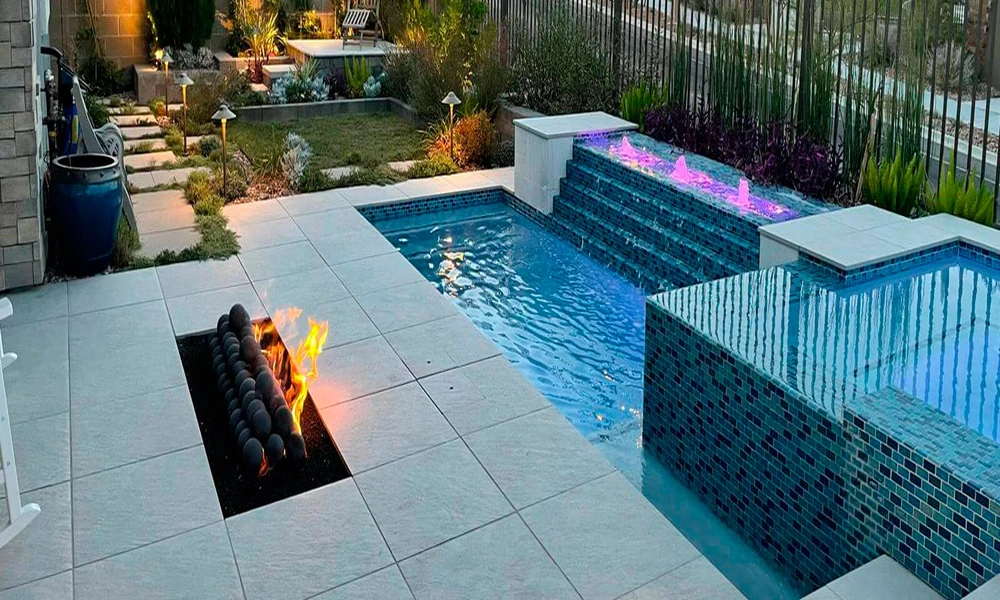
An open poolside gazebo is not a suitable lightning shelter, even if its roof keeps everyone dry. When thunder is heard, leave the water and seek appropriate enclosed shelter immediately. A backyard gathering needs an indoor alternative rather than a plan to wait under the outdoor roof while watching for rain.
The distinction matters when a pool landscape includes a comfortable covered seating area. The structure may be appealing for shade or an ordinary meal outdoors. Those uses do not establish protection from a thunderstorm, and the household should not assign it that role simply because the chairs beneath it remain dry.
A roof can keep rain off without making the location a shelter
A family can become attached to the idea of remaining poolside in every kind of weather. The proposed yard has a table under a roof, outdoor cushions and a view of the water. During planning, someone describes that corner as the place everyone will go if the afternoon turns stormy.
That sentence deserves correction before it becomes the household’s expectation. Shelter from falling rain and shelter from lightning are different functions. A roofed outdoor scene does not become a safe thunderstorm destination through comfort, familiarity or the number of people who can sit beneath it.
Environment and Climate Change Canada’s lightning safety overview specifically warns that open structures such as gazebos and picnic shelters do not provide protection. It recommends immediate shelter, preferably in a fully enclosed building with wiring and plumbing. Apply that public guidance rather than judging the structure by whether rain reaches the table.
Do not attempt to improve the situation during a storm by adding a screen, moving an electrical appliance or experimenting with a connection to the structure. The immediate decision concerns getting people to appropriate shelter. It is not a moment for the homeowner to attempt lightning-protection work.
An attractive rendering should be read with the same distinction in mind. A pictured roof can explain shade, appearance and the relationship with the pool. The household should not infer a storm-protection claim from the illustration. The open gazebo remains an outdoor amenity rather than a lightning shelter.
The best response to the mistaken role is straightforward: keep the gazebo as the outdoor amenity it is intended to be, and give the thunderstorm plan another destination. The family does not need to abandon an appealing seating idea to stop treating it as a refuge it does not provide.
Thunder ends the swim before the rain reaches the patio
A swim gathering can feel unaffected while the local patio remains bright or dry. Someone hears distant thunder but sees no reason to interrupt the afternoon. Waiting for raindrops, however, applies the wrong trigger to the decision.
ECCC explains that hearing thunder means a person is within striking distance of lightning. Its preparedness guidance calls for going to a safe location promptly and waiting at least 30 minutes after the last rumble before returning outdoors. A new rumble means the last-thunder reference has changed.
Keep that timing separate from the meal or swim schedule. The fact that guests have only just arrived does not shorten the guidance. Nor does a break in the rain establish that the waiting period has ended. An interruption is inconvenient, but convenience is not evidence that conditions permit resuming the gathering.
Do not delay departure to finish a game or collect the poolside belongings. People should not remain exposed because somebody wants the final photograph or dislikes leaving cushions outside. The household can deal with possessions when it is appropriate to do so.
Similarly, a covered spot should not become a waiting room while another person checks whether the weather is serious enough. That preserves the mistaken assumption at the centre of the problem. The response to thunder should already be understood, leaving less room for negotiation among a wet, distracted group.
Weather information is useful before an event as well. Review the forecast and be willing to change plans in advance when thunderstorms are expected. A decision made before everyone is outdoors can be easier than trying to preserve a party that should already have moved inside.
Plan the gathering with an indoor alternative
For a family considering Jameson’s pool and backyard designs, describe the covered seating as a fair-weather part of the outdoor experience. It can have a clear purpose without carrying the responsibility of protecting a group from lightning. Keep the indoor alternative in the household’s event planning rather than expecting the pool layout to answer every weather condition.
Think about what happens to the gathering when swimming stops. The indoor alternative may be a smaller meal, a different activity or an early end to the visit. It need not recreate the pool party inside. It needs to allow the household to interrupt the outdoor occasion without feeling that the whole plan has failed.
Tell visitors the approach before a storm makes it urgent. A host can explain that thunder means going inside, with no waiting under the gazebo. Clear language avoids the assumption that the roof was installed precisely so everyone could stay beside the pool.
Include everyone using the yard in that explanation. Children should not receive one message while adults negotiate another, and a confident guest should not redefine the shelter arrangement for the rest of the group. The public guidance remains the basis for the decision.
Outdoor living is allowed to pause. The gazebo can remain a welcome place for ordinary shade and conversation while the household goes elsewhere for a thunderstorm. Let the next poolside gathering begin only when the applicable guidance permits it, rather than when the dry chairs make returning look tempting.