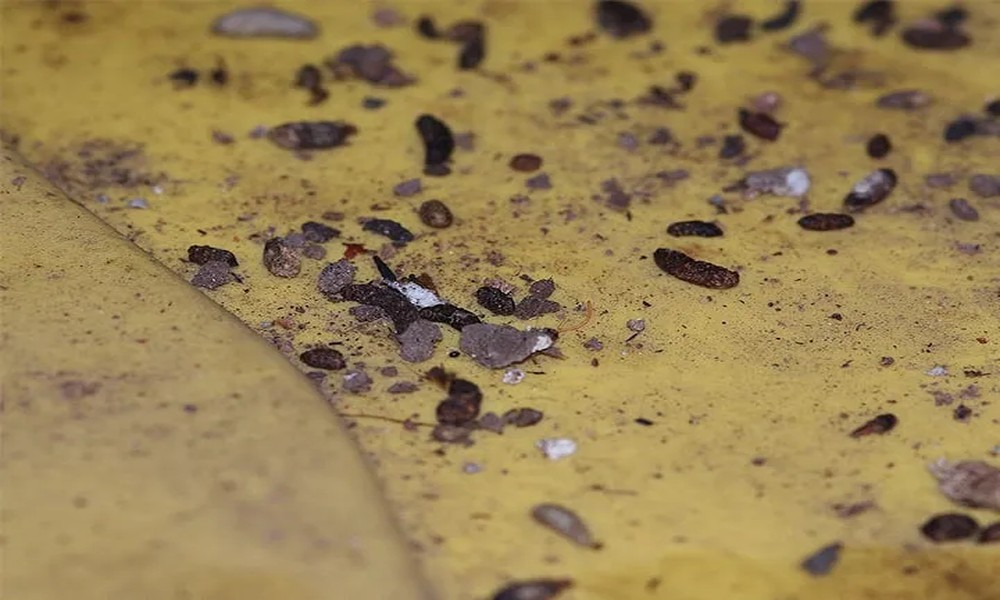
Glen Ellyn is the kind of community where homeowners pay attention to the details. People here maintain well-kept interiors, thoughtful renovations, and clean and comfortable living spaces. This is the reason why the connection between pest droppings and indoor air quality is worth an honest conversation.
Most people think about pest droppings as a sanitation problem. This is accurate as far as it goes, but the air quality dimension runs deeper than most Glen Ellyn homeowners realize. The contaminants that pest droppings introduce into a home’s indoor environment don’t stay put. They dry, fragment, become airborne, circulate through HVAC systems, and can end up in the lungs of everyone who lives in the home. Thus, homeowners must explore pages at Pointepestcontrol.net to better understand how pests and their droppings can affect human health. They can also know when they need a technician to address a pest issue.
How Droppings Become an Air Quality Problem
Fresh droppings from mice, rats, cockroaches, or birds are problematic on contact surfaces. But the air quality threat develops significantly as these droppings age. Droppings can become brittle and fragment into microscopic particles as they dry out. These particles are small enough to become suspended in the air and travel through the same pathways that heated and cooled air moves through a home.
Droppings in the attic, wall voids, crawl space, or ductwork don’t stay isolated in those spaces. Air circulation through return ducts and the pressure dynamics of a ventilated home distribute these particles widely. A mouse nest in the attic insulation is a whole-home air quality problem.
Mouse and Rat Droppings
Rodent droppings carry a range of pathogens, but hantavirus pulmonary syndrome demands the most serious attention. Hantavirus is transmitted primarily through the inhalation of airborne particles from the droppings, urine, and nesting material of infected deer mice and white-footed mice.
The virus doesn’t require direct contact with a rodent. Disturbing dried droppings or nesting material releases particles that can carry the virus into breathable air. Hantavirus pulmonary syndrome has a case fatality rate of approximately 38 percent. In addition, rodent droppings and urine introduce allergens that affect indoor air quality:
- Rodent urinary proteins are potent allergens that become airborne. This can happen as urine dries on insulation, wood framing, and other porous surfaces. These proteins trigger allergic responses and can worsen asthma symptoms in sensitive individuals with repeated low-level exposure over time.
- Dried fecal matter from mice contains bacteria, including Salmonella and Listeria. These bacteria can become airborne during disturbance and settle on food preparation surfaces throughout the home.
- Nesting material saturated with rodent urine. This releases ammonia as it decomposes, which contributes to detectable odor in affected spaces and irritates respiratory tissue with prolonged exposure.
Cockroach Droppings and Respiratory Health
German cockroaches are a persistent challenge in Glen Ellyn’s older housing stock and multi-unit buildings. Cockroach allergens are indoor triggers for asthma and allergic rhinitis.
The American Academy of Allergy, Asthma, and Immunology has identified cockroach allergen as a major contributor to asthma severity in children. The allergen accumulates in settled dust throughout affected areas and becomes airborne with routine household activity. The air quality impact extends beyond the kitchen in a Glen Ellyn home with an established German cockroach population:
- Cockroach allergens accumulate in carpets, upholstered furniture, and bedding throughout the home. HVAC circulation distributes these particles from harborage areas to every room with supply air vents.
- The frass that cockroaches deposit in cabinet interiors and drawer tracks dries and fragments. It can become part of the ambient particulate load in kitchen air that occupants breathe during meal preparation.
- Shed cockroach exoskeletons break down into fine particles that carry the same allergenic proteins as live insects. A wall void with an established cockroach population generates these particles continuously as the population molts and grows.