
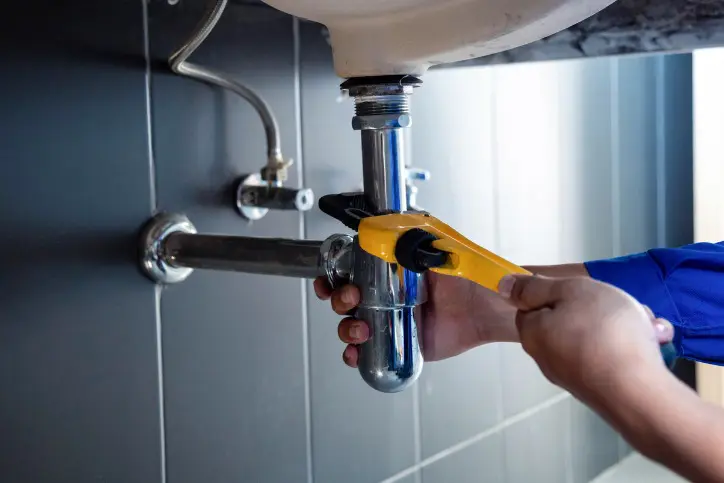
As February arrives in the Mini-Cassia area, homeowners start thinking about the warmer days ahead. While spring brings relief from Idaho’s harsh winter temperatures, the seasonal transition also creates unique challenges for your home’s plumbing system. The freeze-thaw cycle that occurs during this time can expose hidden damage and create new problems that require immediate attention.
Why Spring Thaw Is Critical for Idaho Plumbing Systems
Winter in Burley, Rupert, and surrounding communities puts tremendous stress on plumbing systems. Pipes expand and contract with temperature fluctuations, seals can crack from freezing conditions, and outdoor fixtures endure months of harsh weather. As temperatures begin to rise, these weakened components often fail, leading to leaks, bursts, and water damage.
The spring thaw period is particularly problematic because ground frost begins to melt unevenly. This can shift soil around buried water lines and septic systems, potentially causing misalignment or stress on connections. Additionally, the increased water flow from melting snow can overwhelm drainage systems that may already be compromised.
Inspect Your Outdoor Plumbing Fixtures First
Start your spring plumbing preparations by examining all outdoor components. Check hose bibs and outdoor spigots for signs of damage or leaking. Even a small drip can indicate a crack that occurred during winter freezing. Turn on each outdoor faucet slowly and watch for irregular water flow or leaks around the connection points.
Remove any remaining hose attachments and examine the threads for corrosion or damage. If you notice water seeping from behind the faucet handle or around the base where it connects to your home, this signals potential freeze damage that needs professional repair before it worsens.
Check Your Water Heater Performance
Your water heater works overtime during Idaho winters, and spring is the perfect time to ensure it’s functioning efficiently. Flush your water heater to remove sediment buildup that accumulates over the heating season. This simple maintenance task improves efficiency and extends the life of your unit.
Look for signs of corrosion around the base, check the pressure relief valve, and listen for unusual noises when the unit is heating. If you notice rusty water, strange sounds, or inconsistent water temperature, Harris Plumbing NG can inspect your system and recommend whether repair or replacement is the best option.
Examine Interior Pipes and Fixtures
Walk through your home and inspect visible plumbing for signs of stress. Pay special attention to pipes in unheated areas like crawl spaces, basements, and garages. Look for:
- Discoloration or staining on walls and ceilings
- Moisture or condensation around pipe connections
- Bulging or warped pipes
- Loose fittings or connections
- Small puddles or dampness near plumbing fixtures
Test all faucets and fixtures throughout your home. Inconsistent water pressure, sputtering, or discolored water can indicate problems developing within your system.
Don’t Forget Your Well System
For Mini-Cassia residents on well water, spring maintenance is essential. Check your pressure tank gauge to ensure it’s maintaining proper pressure. Listen for your well pump cycling on and off too frequently, which could indicate a pressure switch problem or a leak in the system.
Inspect the area around your wellhead for standing water or soggy ground, which might suggest a leak in the water line between your well and home. Clear away any debris or snow that accumulated around the well cap during winter months.
Address Drainage and Sewer Lines
Spring runoff can reveal drainage problems that went unnoticed during winter. Make sure gutters and downspouts direct water away from your foundation. Check floor drains in basements and garages to ensure they’re flowing freely.
If you’ve noticed slow drains, gurgling sounds, or sewage odors during winter, spring thaw can make these issues worse. Tree roots become more active as the ground warms, potentially infiltrating sewer lines that have small cracks. Professional drain cleaning now can prevent major backups later.
Test Your Sump Pump Before You Need It
If your home has a sump pump, test it before spring rains and snowmelt arrive. Pour a bucket of water into the sump pit and verify the pump activates and drains properly. Check the discharge line outside to make sure it’s clear and directs water away from your foundation.
Schedule a Professional Plumbing Inspection
Even if everything appears fine, a professional inspection can identify potential problems before they become emergencies. A qualified plumber can spot issues that homeowners typically miss, such as hairline cracks, failing seals, or pressure irregularities that could lead to significant damage.
Spring in the Mini-Cassia area is a time of renewal, but it also demands attention to your home’s plumbing infrastructure. Taking these preventive steps now protects your home from water damage and ensures your plumbing system operates efficiently throughout the coming months. Don’t wait until a small problem becomes an expensive emergency to address your spring plumbing needs.


More Stories
Upgrading Your Plumbing System in Los Anegles: How a Service Can Help You Improve Efficiency and Save Water