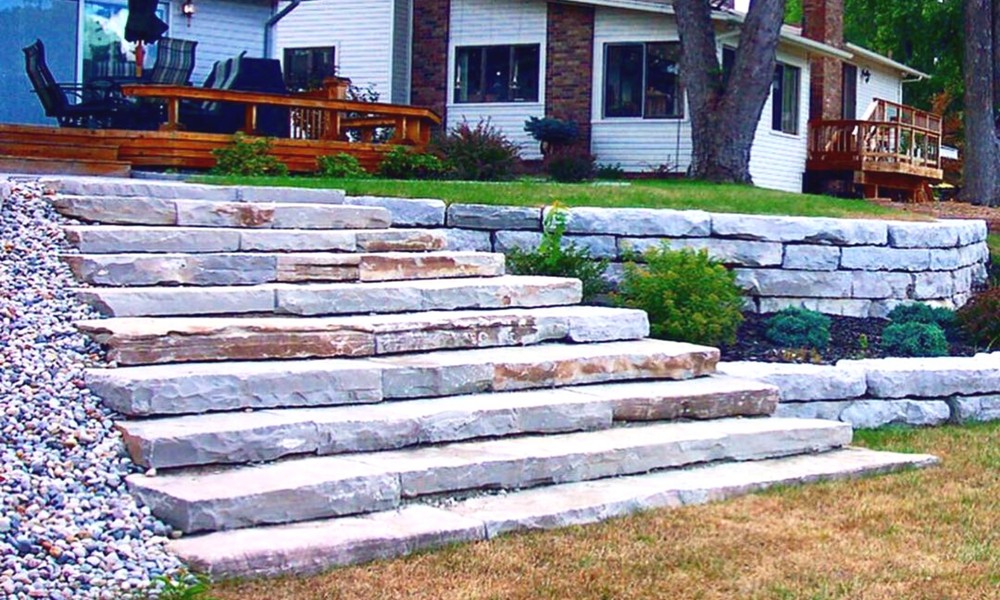
Landscaping is not just about planting a tree or laying a patio. In some parts of the United States, particularly urban areas with diverse topography and seasonal climate, structural landscape components are critical features. Retaining walls are one of those elements that serve a function while making the property its eye-candy. They stabilize soil, control the flow of water, and turn formerly unusable outdoor space into something beautiful all while improving the look of a property.
Homeowners in Rochester turn to retaining walls to hold back soil on slopes or uneven ground, preventing erosion and ensuring safe, stable landscapes. The structures are made to constrain soil and transfer gravity and water-induced pressure. Retaining walls in Rochester can turn problematic areas of sloping sites into functional outdoor living spaces when well-designed and expertly built.
The Importance of Retaining Walls in Residential Landscapes
Retaining walls offer structural support and design value. In their absence, soil movement can destroy lawns, patios, and even building foundations.
Key benefits include:
Reinforcement against erosion: Stops soil from running off with heavy rain.
Enhanced drainage: Assists with redirecting water away from edifices and terrain.
Additional usable space: Adds level areas for gardens, patio,s or walkways.
Improved curb appeal: Brings a level of interest and structure to outdoor designs.
Long-term stability: Ensures slopes stay put and soil does not shift.
Retaining Wall Materials You Should Know About
Choosing the right material can influence both durability and visual interest. In many U.S. residential landscapes, several of the unwanted options are commonly used depending on budget, style, and soil conditions.
Popular retaining wall materials include:
Concrete Blocks: Concrete blocks are a durable, versatile, inexpensive, and widely used option for small residential projects.
Natural stone: Delivers a classic appearance and integrates seamlessly with its natural surroundings.
Brick: For traditional designs.
Timber: A more cost-effective option and often used for smaller garden walls.
Concrete poured in place: Gives good support for structured features on larger installations.
Design Factors That Affect Performance
Retaining walls are not merely decorative structures. The wall is then designed so that it will react appropriately to the forces from soil and water against it.
Important considerations include:
- Soil type and composition
- Drainage and water management
- Wall height and load pressure
- Foundation depth and stability
- Local climate conditions
When a Retaining Wall Is Required
Not all yards need a retaining wall, but there are instances when they are critical!
You might need one if your property has:
- Steep slopes or uneven ground
- Soil erosion after rainfall
- Water pooling in certain areas
- Outdoor projects that require level surfaces
- Raised garden beds or terraces
In such instances, one of the finest solutions is to install retaining walls in Rochester so you can ensure safety as well as visual harmony in your landscape.
Maintenance Tips for Long-Lasting Walls
While retaining wall space needs little maintenance, routine inspections can help avoid potential small troubles from turning into costly repairs.
Helpful maintenance practices include:
- Inspection for signs of cracking or movement in the wall structure
- Cleaning drainage outlets to at he void accumulation of water
- Removing weeds or vegetation growing between joints
- Measuring soil levels behind the wall
- Addressing minor repairs early
Conclusion
This is where a well-designed retaining wall comes into play and can greatly increase the functionality and visual aesthetic of outdoor spaces. These walls can serve several practical functions in rewarding sloping roads, such as soil erosion prevention and terracing. Knowing the purpose, materials, and design considerations behind retaining walls will help homeowners make more informed landscaping choices.
According to professionals, for instance, All Pro Pavers & Retaining Walls, it is thoughtful planning and quality construction that determine the long-term fate of landscape structures. A properly designed and integrated retaining wall can offer both structural stability and visual harmony in a landscape for decades.