Important Details
- Travertine requires specific cleaning products to avoid damaging the natural stone.
- Regular sealing is the best way to prevent stains on your travertine dining table.
- Using protective barriers like coasters and placemats is essential for daily use.
- Immediate action on spills prevents liquids from penetrating the stone’s pores.
Introduction
Owning a piece of natural stone furniture is a delight, but it does come with a sense of responsibility. A travertine dining table is a statement piece-an organic, textured work of art that serves as the centrepiece of your home. However, because it is a porous material, it requires a different kind of care than your standard glass or laminate surfaces. Many people are intimidated by the idea of maintaining stone, but it is actually quite simple once you know the basics. When you purchase from a quality furniture shop, you are getting a piece that is built to last, provided you give it the right attention. With a few simple habits, you can keep your table looking as stunning as the day it arrived, even in a busy household.
How Do You Protect a Travertine Dining Table?
One of the most important ways to protect a travertine dining table is by keeping it properly sealed. Travertine is naturally porous, which means liquids such as coffee, wine and cooking oil can seep into the surface if it is left unprotected. A quality stone sealer creates a protective barrier that helps prevent stains and gives you more time to clean up spills before they penetrate the stone.
Most tables purchased from a reputable furniture shop are pre-sealed, but the protective coating gradually wears down with everyday use. A simple water test can help determine whether resealing is needed. If water beads on the surface, the seal is still effective. If it absorbs into the stone and darkens the surface, it is time to apply a new coat of sealer to maintain long-term protection.
What Is the Best Way to Clean a Travertine Dining Table?
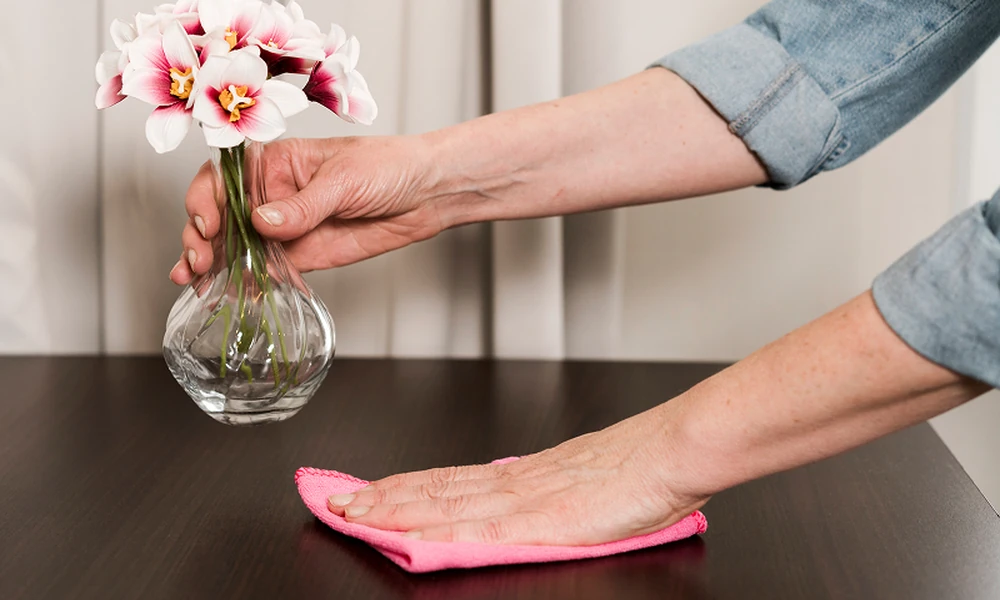
Travertine should always be cleaned with gentle, non-acidic products to preserve its natural finish. A soft cloth, warm water and a small amount of pH-neutral soap are usually sufficient for removing dust, food residue and everyday marks. Acidic cleaners such as vinegar, lemon-based products or abrasive scrubbing pads should be avoided because they can permanently etch the stone.
If you are looking for specialised cleaning products, many retailers also offer stone-safe cleaners formulated specifically for natural surfaces. Drying the table after cleaning helps prevent water spots and keeps the finish looking its best over time.
How Can You Prevent Stains and Damage on a Travertine Dining Table?
Daily habits play a significant role in preserving the appearance of a travertine dining table. Using coasters, placemats and trivets helps protect the surface from moisture, hot cookware and accidental scratches. These simple accessories reduce unnecessary wear while allowing you to enjoy the table during everyday meals and special occasions.
Quick action is equally important when spills occur. Instead of wiping liquids across the surface, blot them immediately using a soft cloth or paper towel. This prevents liquids from spreading and reduces the chance of stains penetrating the stone. Prompt cleaning is particularly important for acidic drinks such as fruit juice, coffee or wine, which can damage natural stone if left on the surface.
Can Scratches and Etch Marks Be Repaired?
Minor scratches and etch marks are a normal part of owning natural stone furniture and often become part of its unique character over time. Light surface marks can sometimes be improved using specialised stone polishing products, while deeper scratches or more noticeable damage may require professional restoration.
A trusted furniture shop in Singapore can often recommend stone care specialists who are experienced in restoring natural stone surfaces. Professional polishing or re-honing can revive the appearance of the table while preserving its natural beauty. Whether you prefer a flawless finish or appreciate the character that develops through everyday use, proper care helps ensure your travertine table remains an elegant centrepiece for many years.
Conclusion
Caring for a travertine dining table does not have to be complicated. By sealing the surface regularly, cleaning it with gentle products and protecting it from everyday wear, you can preserve its natural beauty for years to come. Investing in quality stone furniture from a reputable furniture shop is the beginning of a long-lasting relationship with a timeless material. With the right care, your dining table will continue to age gracefully while remaining a beautiful gathering place for family and friends.
Ready to find your perfect stone piece? Contact us today to explore our premium dining collections.