Key Takeaways
- A chemical overhaul involves the complete dismantling of the indoor unit to clean every individual component thoroughly.
- This process is essential for units that are leaking water, making strange noises, or failing to cool effectively despite regular servicing.
- The use of specialised chemical solutions removes stubborn jelly-like slime and mould that a standard water wash cannot touch.
- A professional overhaul can extend the lifespan of your unit and significantly improve the air quality in your home.
Introduction
Have you ever noticed your aircon struggling to keep the room cool, even when you have it cranked down to sixteen degrees? Or perhaps there is a lingering, musty smell every time you switch it on? These are common signs that a basic filter clean just isn’t enough anymore. In a humid climate like Singapore, dust and moisture combine to create a perfect breeding ground for bacteria and aircon jelly inside your unit. When this happens, you need more than just a surface wipe; you need to understand the chemical overhaul process in detail.
An aircon chemical wash in Singapore is a standard maintenance task, but an overhaul is the deep-cleaning solution for units with more serious issues. It is like the difference between washing your car and dismantling the engine to clean every internal component. Although it is a more intensive service, it restores cooling performance, improves airflow, and removes stubborn contaminants that regular servicing cannot reach. If your air conditioner has not had an overhaul in years, the improvement can be significant.
What Happens During a Chemical Overhaul?
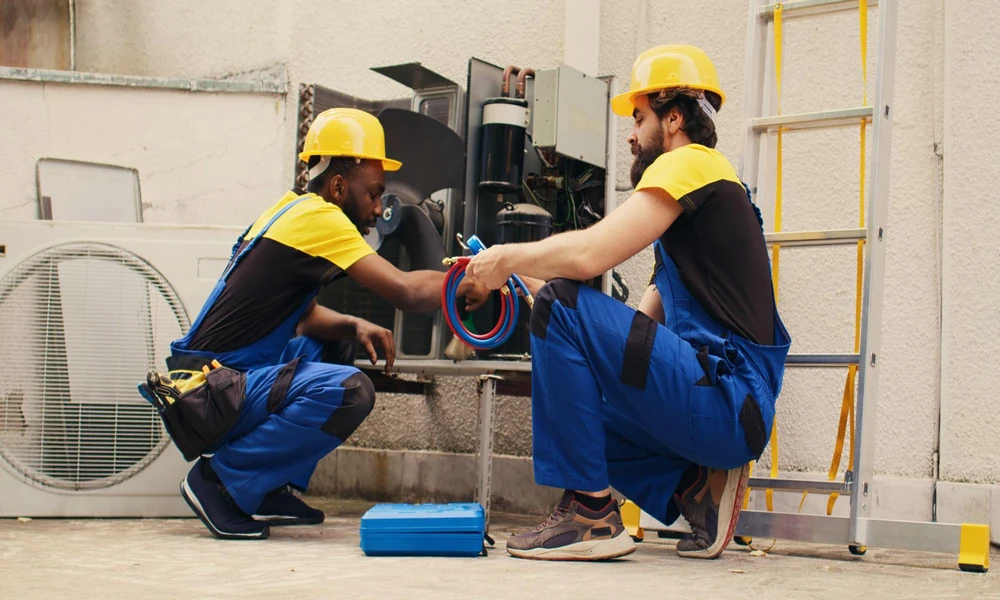
A chemical overhaul begins with the complete dismantling of the indoor fan coil unit. Unlike standard servicing, where the unit remains mounted on the wall, the technician disconnects it from the drainage system and refrigerant piping so every internal component can be accessed. The casing, evaporator coil, blower wheel, drainage tray, filters, and other removable parts are separated for individual cleaning.
This stage also allows the technician to inspect components that are normally hidden. They can identify corroded cooling fins, damaged drain pans, worn bearings, loose electrical connections, or early signs of component failure. Detecting these issues before reassembly helps prevent unexpected breakdowns and ensures any necessary repairs can be carried out before the system is placed back into operation.
How Does the Chemical Cleaning Process Work?
Once the unit has been dismantled, each component undergoes deep cleaning using specialised chemical solutions designed to dissolve accumulated dirt, mould, grease, and biological slime. The evaporator coil receives particular attention because debris trapped between its narrow aluminium fins restricts airflow and reduces cooling efficiency. The chemical solution loosens contaminants that cannot be removed through water washing alone.
The blower wheel is also cleaned thoroughly because it commonly accumulates thick layers of dust that reduce airflow and create vibration or excessive noise. As you’ll see in a chemical overhaul explained guide, cleaning the blower wheel is one of the most important steps because it restores proper airflow throughout the system. The drainage tray and drain pipe are scrubbed to eliminate the slime that frequently causes water leakage, helping ensure condensation can flow freely once the unit is operating again.
Why Are Flushing and Reassembly Important?
After the chemicals have dissolved the contaminants, every component is rinsed thoroughly with clean water to remove all cleaning residue. Leaving chemical traces behind could gradually damage sensitive components or produce unpleasant odours when the air conditioner operates. Technicians also dry every part carefully before reassembly to minimise moisture that could encourage mould growth or affect electrical components.
Reassembling the unit requires precision to ensure every seal, screw, and connection fits correctly. Once the fan coil is reinstalled, the refrigerant piping is reconnected, and technicians typically vacuum the system to remove trapped air and moisture from the refrigerant lines. This step helps maintain correct operating pressure and supports efficient cooling performance after the overhaul.
How Do Technicians Check if the Chemical Overhaul Was Successful?
Once reassembly is complete, technicians perform several tests to verify that the system is operating properly. They check the cooling performance by measuring the temperature difference between the return air and the cooled air, inspect refrigerant pressure where necessary, and ensure the blower is operating smoothly without unusual vibration or noise. Improved airflow and cleaner coils usually allow the air conditioner to cool rooms faster while consuming less energy.
The drainage system is also tested by introducing water into the drain pan to confirm that condensation flows smoothly through the drainage pipe without blockage or leakage. This final inspection ensures the overhaul has addressed the common causes of water leaks, poor cooling, and unpleasant odours. After successful testing, the unit should operate more quietly, cool more efficiently, and provide noticeably cleaner indoor air.
Conclusion
A chemical overhaul is the ultimate reset button for your air conditioning system. It goes beyond the surface to tackle the root causes of poor performance and bad odours. While it takes more time and effort than a standard service, the results are undeniable. Your home will feel cooler, and the air you breathe will be much cleaner. If your system hasn’t been performing its best lately, it might be time for a professional deep clean. Get in touch with Newway Air Conditioning to see how a thorough overhaul can revitalise your cooling system today.