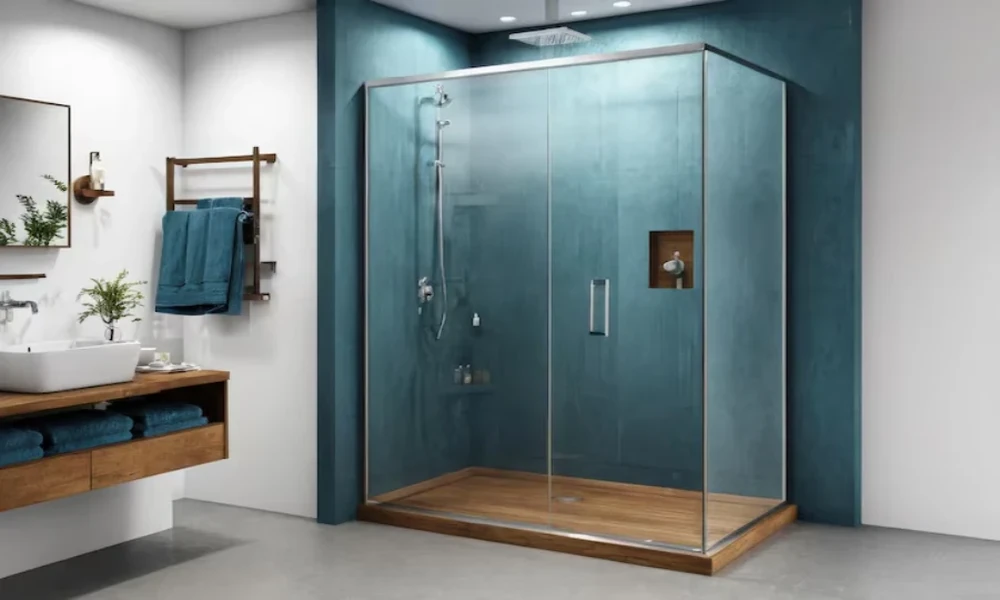
Stepping into a beautifully designed shower can turn a daily routine into a small luxury. But when it comes to choosing the right shower door, few details influence both aesthetics and performance as much as glass thickness. Should you opt for lighter, more affordable panels or invest in the solid feel of thicker glass? Understanding the evolution, current standards, and practical realities of shower door glass thickness helps ensure your bathroom remodel delivers both style and substance.
The Origins of Shower Door Glass Thickness Standards
Before modern safety standards, glass doors were rare in bathrooms. Early designs relied on thinner glass, often less than 6 mm, because producing and installing thicker sheets was both expensive and technically difficult. As glass production advanced, so did the ability to offer heavier, sturdier panels, but safety remained a lingering concern.
How Safety Regulations Shaped Glass Thickness Choices
The introduction of safety regulations marked a significant turning point. Government standards began to require tempered or laminated glass in wet environments, not only for breakage resistance but to minimize injury risk. These regulations influenced manufacturers to standardize certain glass thicknesses, helping to strike a balance between safety, usability, and cost.
Common Shower Door Glass Thicknesses Today
Today’s shower doors offer three main options: 6 mm, 8 mm, and 10 mm thicknesses. Each has its pros and cons that affect everyday use and overall design.
Overview of 6 mm Glass Doors: Practicality and Affordability
A 6 mm glass door is lightweight and easy to handle. It is often favored for framed or semi-frameless designs where the structure provides additional support. This thinner glass keeps project costs in check and simplifies installation, but it may feel less substantial compared to thicker alternatives.
The Rise of 8 mm Glass: Balancing Durability and Aesthetics
The sweet spot for many homeowners is the 8 mm option. This thickness offers increased stability and a more refined look without adding significant weight or installation complexity. It can often work well in semi-frameless and even some frameless configurations, balancing durability with a sleeker appearance.
Premium 10 mm Glass Doors: Luxury and Stability
For those seeking a true luxury feel, 10 mm glass delivers. The extra weight and thickness translate to a solid, stable experience, especially in frameless showers where the glass itself must provide most of the structure. However, 10 mm panels demand robust hardware, additional planning for support, and sometimes higher installation costs.
| Glass Thickness | Typical Use | Pros | Cons |
|—————–|—————————–|—————————|——————–|
| 6 mm | Framed/Semi-frameless | Affordable, lightweight | Feels less solid |
| 8 mm | Frameless/Semi-frameless | Balanced durability/look | Slightly heavier |
| 10 mm | Frameless, luxury showers | Premium feel, stable | Heavy, pricier |
How Design Trends Influence Glass Thickness Selection
Minimalist bathrooms have become the hallmark of modern renovation, often favoring thick glass and unobtrusive hardware for a seamless look. In contrast, traditional designs may use thinner glass with visible framing, playing into classic aesthetics.
Impact of Hardware Compatibility on Thickness Choices
The choice of hinges, handles, and wall mounts is closely tied to glass thickness. Heavy 10 mm panes require high-quality, weight-rated hardware, while lighter 6 mm glass can make do with more standard fittings. Overloading hardware with extra weight risks long-term performance issues.
Functional Considerations: Matching Glass Thickness to Usage
For a guest bathroom that sees occasional use, 6 mm glass might suffice. In high-traffic master ensuites or family bathrooms, thicker panels hold up better to daily wear.
Weight and Installation Challenges by Thickness
Heavier glass brings its own challenges. Transporting and fitting 10 mm panels can be labor-intensive, with a greater risk of accidental chipping during handling. Lighter glass is more forgiving during installation and easier to adjust if walls are slightly out of square.
Safety and Maintenance Implications
Tempered glass at any thickness will shatter into small, blunt pieces if broken, but thicker glass is less likely to crack under stress. Maintenance is similar across thicknesses, though thicker doors can be harder to move for cleaning if they are very heavy.
Innovations in Glass Technology and Their Effects
The glass industry has pushed boundaries with tempering processes and new laminated products. Coatings now repel water and reduce spotting, making even thick, clear glass easy to keep pristine. There are emerging trends toward ultra-thin yet strong glass, promising the illusion of delicacy without sacrificing durability.
Choosing the Right Thickness for Your Shower Door
Start with your bathroom’s layout and frequency of use. A smaller space might benefit from lighter glass, while open, spa-like showers can showcase the grandeur of thick panels. Harmonize the glass thickness with your tilework, fixtures, and other design elements for a coordinated look.
If you are unsure, consulting experts or exploring showroom displays in person can be invaluable. Resources like Vasca Design showers offer not only a wide range of products but also design consultation to help you find the perfect solution tailored to your needs, whether you are renovating a master suite or updating a guest bath.
Installation and Long-Term Care Tips Based on Glass Thickness
Proper handling and installation matter even more with thicker glass. Always use professional installers for 8 mm and 10 mm panels. For all thicknesses:
– Check for level and plumb alignment before tightening hardware.
– Clean with non-abrasive cleaners and a soft cloth to prevent scratches.
– Inspect hardware periodically, especially with heavier doors.
If your door starts sagging or becomes harder to move, check for loose hinges or worn seals, issues more common as weight increases.
No matter your choice, the right glass thickness can enhance both the beauty and function of your shower, making every day feel just a little more relaxing.