Losing Hot Water Is More Than Just an Inconvenience
Few things disrupt a household faster than turning on the shower and discovering there is no hot water. Whether you are getting ready for work, washing dishes, or doing laundry, a water heater that suddenly stops working affects nearly every part of your daily routine.
While some water heater issues develop slowly, others require immediate attention. Waiting too long can lead to larger repair bills, water damage, or even complete system failure. Understanding the warning signs of a failing water heater can help homeowners know when it is time to call for same day plumbing service.
The sooner a problem is diagnosed, the better the chances of restoring hot water before additional damage occurs.
A Water Heater That Stops Producing Hot Water
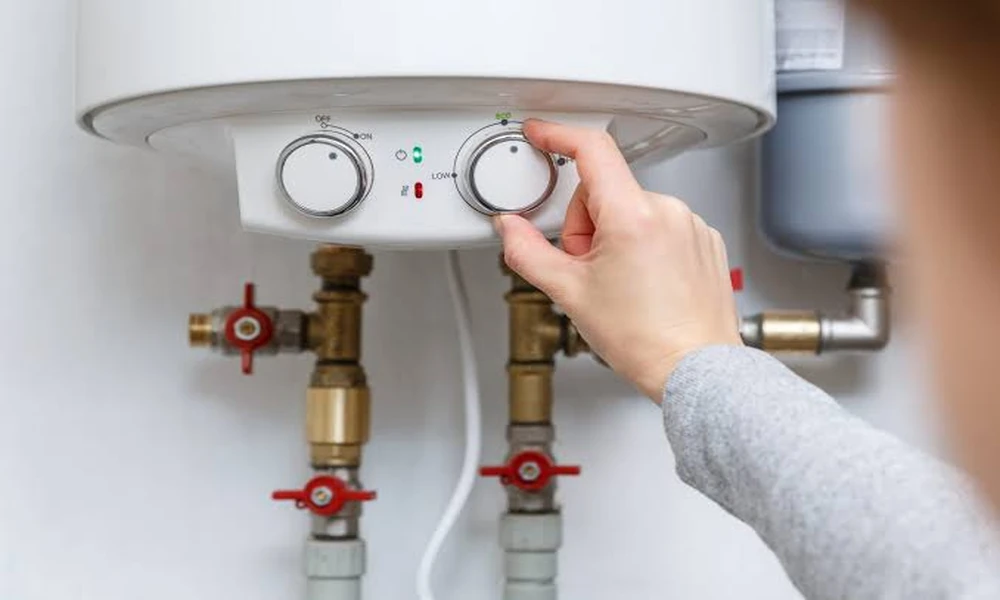
The most obvious sign of a problem is when your water heater simply stops producing hot water. Sometimes the water starts warm but quickly turns cold. In other cases, there is no hot water at all.
Several different issues can cause this problem. Electric water heaters may have a failed heating element or thermostat. Gas water heaters may have ignition problems, burner issues, or pilot light failures. Sediment buildup inside the tank can also reduce efficiency and limit the amount of hot water available.
While homeowners may be tempted to troubleshoot the problem themselves, water heaters contain electrical components, gas connections, and pressurized plumbing systems that should be serviced by trained professionals.
Same day repairs often restore hot water before the inconvenience turns into a much larger issue.
Water Around the Base of the Water Heater
One of the most serious warning signs is water collecting around the bottom of the water heater.
A leaking water heater should never be ignored. The source of the leak could be a loose connection, a faulty drain valve, a leaking pressure relief valve, or damage to the storage tank itself.
If the tank has developed a crack, the leak will almost always continue getting worse. Water can spread across utility rooms, garages, basements, or nearby finished living spaces, causing expensive damage to flooring, drywall, insulation, and personal belongings.
The faster the leak is inspected, the greater the chance of minimizing water damage.
Strange Noises Coming From the Tank
Many homeowners hear popping, banging, rumbling, or crackling noises coming from their water heater and assume those sounds are normal.
They are not.
These noises are often caused by sediment collecting at the bottom of the tank. As the burner heats the water beneath that layer of sediment, trapped moisture creates popping and rumbling sounds.
Over time, sediment buildup forces the water heater to work harder, increases energy consumption, reduces heating efficiency, and places additional stress on the tank.
Ignoring these warning signs can shorten the life of the water heater and increase the likelihood of unexpected failure.
Rust-Colored Water Can Signal Bigger Problems
If hot water suddenly appears rusty or discolored, your water heater may be developing internal corrosion.
In some cases, replacing the anode rod can solve the problem. In other situations, rust inside the storage tank indicates that the unit is nearing the end of its service life.
Discolored water should always be investigated because corrosion typically becomes worse over time. Addressing the issue early may prevent a complete tank failure and help homeowners plan for replacement before an emergency occurs.
Inconsistent Water Temperature Should Not Be Ignored
Some water heaters continue producing hot water but struggle to maintain a consistent temperature. Water may suddenly become colder during a shower or fluctuate between hot and cool without warning.
This inconsistency often indicates failing heating elements, thermostat problems, burner issues, or excessive sediment buildup.
Although the system may still be functioning, these symptoms usually indicate that repairs are needed before complete failure occurs.
Scheduling same day service can help identify the cause before homeowners lose hot water entirely.
Older Water Heaters Require Extra Attention
Most traditional storage water heaters have a lifespan of approximately eight to twelve years, although proper maintenance may extend their useful life.
As units age, the likelihood of leaks, corrosion, heating problems, and efficiency loss increases significantly.
Homeowners with older systems should pay close attention to warning signs such as unusual noises, inconsistent temperatures, visible corrosion, or declining performance.
Even if the water heater is still operating, an inspection can help determine whether repairs are practical or whether replacement would be the better long-term investment.
Fast Repairs Can Prevent Larger Problems
Many homeowners delay calling a plumber because they assume they can live without hot water for another day or two. Unfortunately, some water heater problems continue worsening while they wait.
Small leaks become larger leaks. Corrosion spreads. Components fail. Minor repairs can quickly become complete system replacements if problems are ignored.
As David Milligan of Emergency Plumbing Pros often says, “A water heater usually gives you warning signs before it fails completely. The homeowners who respond to those warning signs often avoid the cost and inconvenience of a full emergency replacement.”
Acting early almost always provides more repair options.
Restore Comfort Before the Problem Gets Worse
Hot water is something most families depend on every day. When your water heater begins showing signs of trouble, responding quickly helps restore comfort while protecting your home from additional damage.
Whether the problem involves no hot water, unusual noises, leaks, rust-colored water, or inconsistent temperatures, same day plumbing service can often prevent much larger repairs and restore your water heater to proper working condition.
Ignoring the warning signs rarely makes the problem better. Addressing them early helps protect your home, your plumbing system, and your daily routine.