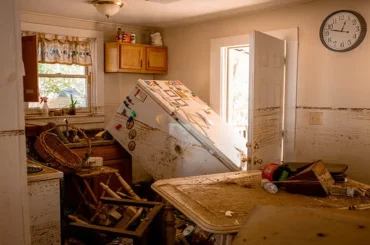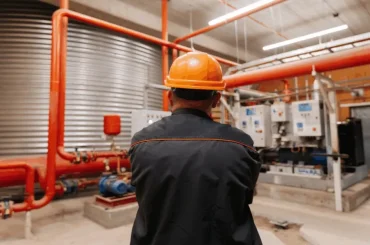
Following a fire, the building may be affected by damaged wiring, weakened structures, broken windows, exposed materials and out-of-tune fire protection systems. Emergency fire watch may be an important layer of protection during this unsettled time, while recovery efforts are being carried out.
implementing an emergency fire watch during the initial cleanup phase helps bridge the critical gap between initial disaster relief and structural rehabilitation. By stationing dedicated guards on site immediately after an incident, property managers can effectively prevent secondary fires, maintain site security, and satisfy insurance compliance requirements while restoration crews begin their work.
The Risk Continues After the FlamesDamaged buildings can be susceptible to another fire. Hot spots can remain, electrical equipment may be compromised and temporary repair work may create additional hazards. The water used to put out the fire may cause additional issues, such as electrical damage or wet, unstable conditions. Contractors travelling through the property can also introduce welding, cutting, electrical tools or other ignition sources to a compromised environment.Keeping Eyes on a Damaged PropertyFollowing a fire, a normal security system might not be sufficient. Faulty doors, walls, windows and/or limited access can leave areas of the property open. Fire watch guards are on duty in the building and outside to comply with the schedule. They are searching for smoke, flames, abnormal heat, unsafe storage, exposed electrical hazards and other situations that may result in another emergency. Their presence also indicates that someone is watching when restoration workers are not at work, including at night.Supporting Restoration CrewsMultiple teams may operate simultaneously in the recovery process. There can be various stages to the building’s access, from electricians and plumbers to demolition and roofing, and restoration workers. Fire watch personnel can aid in keeping track of changing conditions. Combustibles can build up near a heat source or an exit may be blocked, and the problem can be recognised and reported before it escalates to a bigger problem. They are not a replacement for contractors, or safety experts, but they are another set of trained eyes in an unpredictable environment.What to do in an Emergency?Before taking on a fire watch assignment, fire watch personnel should be familiar with the property’s emergency procedures. Should smoke or fire be found, they should follow the established protocols, notify occupants as appropriate, call emergency services and give information to emergency responders. The goal is straightforward: Identify danger early and respond appropriately and promptly.Detailed Records MatterAfter fire damage, documentation is invaluable. Log books should be maintained to include dates of inspection, observations made and the presence of hazards and incidents reported. These records can aid in monitoring conditions that were changing during the recovery and provide evidence that necessary fire watch measures were being taken.Understanding how and when fire watches can be discontinued.Fire watch is not a replacement for the property’s normal fire protection system; it is temporary protection. Coverage should be provided to the extent necessary to the applicable authority or until damaged systems and safety controls are properly restored. Living behind the scenes after a fire is not very quiet. Emergency fire watch will help keep the property safe while it is on its way back to normal with regular patrolling, communication and documentation.