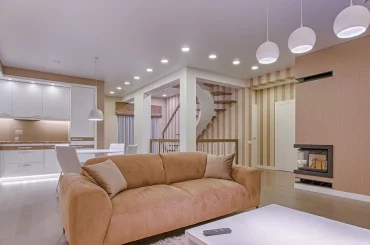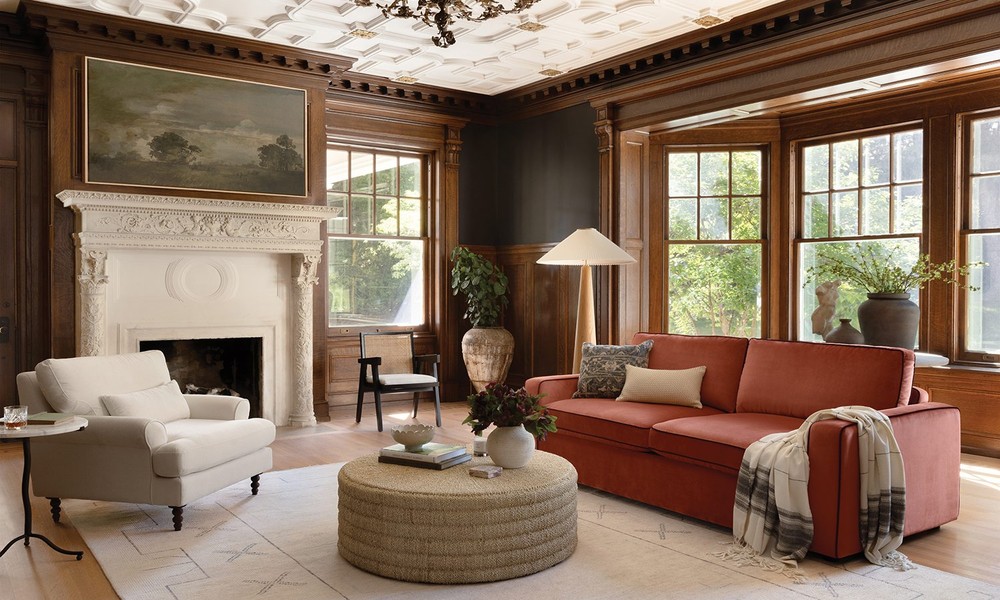
Combining different furniture styles can create a layered, interesting look when done thoughtfully. The key is balancing proportions, colors, and textures to maintain cohesion while highlighting each style’s unique elements.
Start with a Common Element
Identify a unifying factor such as color palette, material, or scale. This shared element ties together pieces from different styles, creating a cohesive look despite contrasts. Coleman Furniture reviews often note successful examples of style mixing, providing practical guidance for buyers.
Balance Proportions
Pay attention to the size and shape of each piece. Large, heavy furniture should be balanced with lighter, smaller items to prevent a cluttered appearance. Consistent height or scale among certain pieces can help maintain harmony.
Coordinate Colors and Materials
Using complementary colors or matching materials creates visual continuity. Neutral tones can bridge contrasting styles, while repeating accents like wood finishes, metals, or fabrics strengthens cohesion.
Mix Textures Thoughtfully
Combine smooth, rough, soft, and hard textures to add depth and interest without overwhelming the room. Texture variation provides a tactile experience and helps differentiate styles while maintaining balance.
Establish Focal Points
Anchor the room with a dominant piece, such as a sofa or dining table, that draws attention and sets the tone. Secondary pieces from a different style can complement the focal point without competing with it.
Maintain Consistency in Accessories
Select decor, rugs, and lighting that reinforce the mixed styles. Accessories should bridge elements and create a cohesive atmosphere. Coleman Furniture reviews sometimes highlight successful accessory choices that unify diverse furniture pieces.
Allow for Negative Space
Avoid overcrowding by leaving open areas that let furniture breathe. Proper spacing maintains clarity and prevents the room from feeling chaotic.
Experiment with Layout
Try different arrangements before finalizing placement. Modular furniture or movable items can help test combinations and discover a layout that works best with mixed styles.
Repeat Elements Sparingly
Introduce repeating patterns, colors, or shapes in moderation to tie pieces together. Overuse can create a forced or busy appearance, while subtle repetition reinforces cohesion.
Making the Right Choice
Mixing two furniture styles successfully requires careful attention to proportion, color, texture, and focal points. Coleman Furniture reviews provide real-world examples of style combinations that work, offering practical guidance for buyers and warehouse managers. By thoughtfully integrating different styles, a room can feel dynamic, coordinated, and visually engaging.