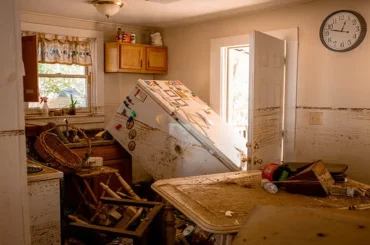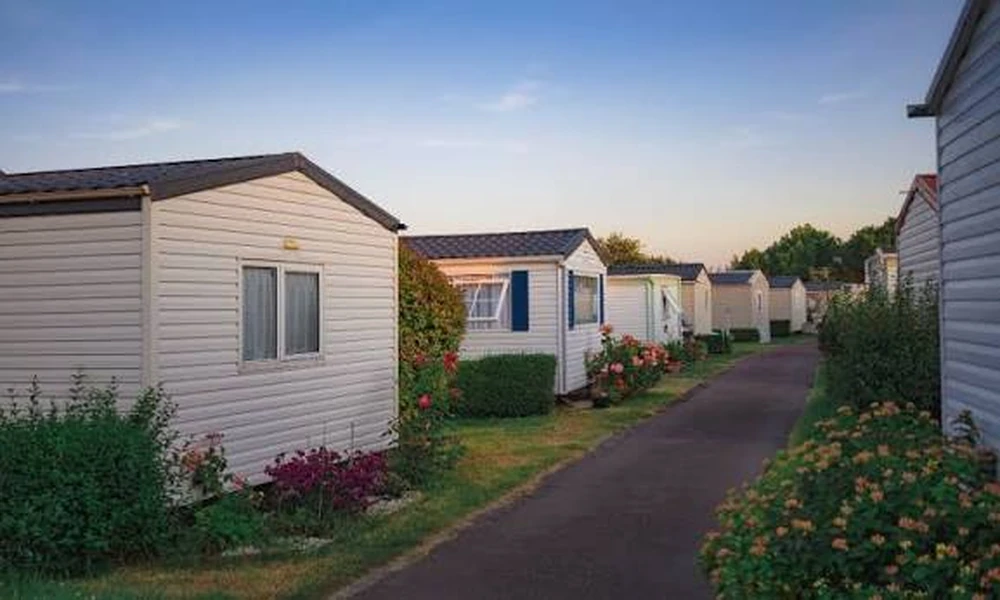
A century-old Craftsman on a Hoquiam hillside and a double-wide outside Elma sit less than half an hour apart and share the same rain forecast. Yet they hold heat in almost opposite ways. One leaks warmth through plaster and old fir boards. The other loses it through a thin belly wrap and a duct you cannot see without crawling underneath.
That gap is why a single heating recommendation rarely fits everyone in this county. Housing here grew in layers. Timber money built the mill towns, postwar families added ranch houses, manufactured homes filled rural lots, and the beach communities grew into second homes and vacation rentals.
Anyone weighing options for residential hvac in Grays Harbor County can learn a lot from how actionairewa.com describes its own work, since the Hoquiam crew has handled furnaces, heat pumps and wiring from the same Lincoln Street shop since 1995 and keeps licensed electricians on staff, a detail that matters more for older houses than most people expect. With that local reality in mind, here is how four very different homes call for four different plans.
Mill-Era Houses That Breathe Through Their Walls
Many homes in Aberdeen and Hoquiam date from the timber boom of the early 1900s. They were often built with balloon framing, which leaves open channels inside the walls running from the crawlspace to the attic. Warm air climbs those channels and escapes upward, while cold, damp air gets pulled in at the bottom. Add single pane windows and little or no wall insulation, and the furnace ends up heating the neighborhood.
These houses frequently carry an aging oil furnace, a buried or basement oil tank, and large ducts originally designed for gravity heat. Plaster walls make new ductwork difficult, which is why ductless heat pumps, with one indoor head per floor or zone, have become a common fit.
The order of work matters more here than the equipment brand.
- Seal the attic floor and the tops of those open wall cavities so heat stops racing upward.
- Insulate the attic and, where possible, the crawlspace.
- Have an electrician check the service panel, since many old homes still run on small panels or patches of outdated wiring that cannot carry new heating loads safely.
- Size the new equipment last, after the house has been tightened.
Skipping straight to step four usually means paying for a larger system than the home will need once it stops leaking.
Manufactured Homes and the Ducts Underneath
Manufactured homes are common across the county’s rural edges, and most were built with an electric furnace pushing air through a duct inside the floor cavity. That belly duct is the weak point. Over the years the vapor barrier tears, rodents move in, and the crossover duct linking the two halves of a double-wide sags or slips loose, sending heated air straight into the crawlspace.
Research focused on this exact housing type in Washington’s marine climate is worth a look. A Washington State University Energy Program report on retrofitting versus replacing manufactured homes examined electrically heated homes from before and after the 1976 HUD code and weighed what upgrades actually pay back for owners.
Before choosing a new heat source, these homes usually benefit from a few basic checks.
- Inspecting the belly wrap for tears, sagging insulation and signs of pests.
- Reconnecting and sealing the crossover duct with proper straps and mastic.
- Testing the electrical service, because older homes may have limited capacity for added equipment.
- Deciding between a ducted heat pump that reuses the existing ducts and a ductless unit that bypasses them.
A ductless unit in the main living area often carries most of the heating load, with the old furnace left as backup for bedrooms on the coldest nights.
Beach Houses That Sit Empty for Weeks
Ocean Shores, Pacific Beach and Westport hold a large share of second homes and short-term rentals. Their heating challenge is less about comfort and more about what happens when nobody is home.
A closed beach house in winter traps moisture from the ocean air, the ground and every shower taken by the last guests. With the thermostat turned too low, walls and closets stay damp long enough for mildew to settle in. Owners who switch heat completely off between visits often return to a musty smell, swollen doors or mold spots behind furniture.
A heat pump with a reliable dehumidifying mode, paired with a smart thermostat that can be checked from a phone, solves much of this. Holding the house at a modest setback temperature rather than shutting everything down keeps surfaces above the dew point. Bathroom fans on timers and a little steady ventilation help move out the moisture renters leave behind. For rentals, a lockable thermostat range prevents guests from cranking heat to the limit and leaving windows open.
Farmhouses Where the Woodstove Still Rules
Farther inland around Elma, Montesano and Satsop, plenty of homes still lean on a woodstove or a propane furnace. Wood heat is cheap if you cut your own, but it warms one room well and the far bedrooms poorly. Winter windstorms knock out power regularly, and many rural owners rightly want heat that keeps working during an outage.
These homes often do best with a layered setup rather than a single system. A heat pump can handle mild shoulder seasons and spread warmth evenly through the house, while the woodstove or a propane furnace covers the coldest stretches. In dual fuel arrangements, the system switches automatically between electric and gas heat based on outdoor temperature or cost. Pairing that with a properly installed generator and transfer switch keeps the blower, controls and fridge running when lines go down. Owners who burn wood also need to watch regional burn bans during stagnant weather, which makes a clean electric option valuable on those days.
What Every Harbor House Has in Common
Despite their differences, all four homes share a few truths. Each one deserves a room-by-room heat loss calculation instead of a guess based on square footage or the size of the old unit. Each benefits when ducts, attics and crawlspaces are sealed before new equipment arrives. And each lives with the same damp, windy climate that rewards yearly service and punishes neglect.
Local utility rebates for qualifying heat pumps and weatherization can soften the cost, though programs change and usually require approved contractors, so checking current terms before signing anything is worth the call.
The right plan for a drafty Craftsman will look nothing like the right plan for a rental at the beach. Starting with the house itself, its age, its walls, its wiring and how people actually use it, leads to a system that fits rather than one simply installed.