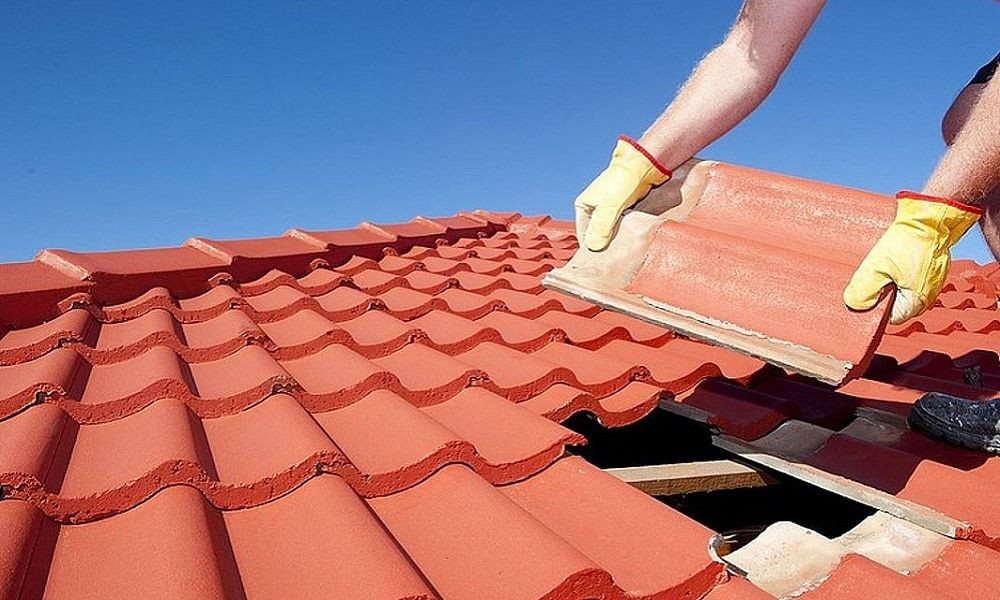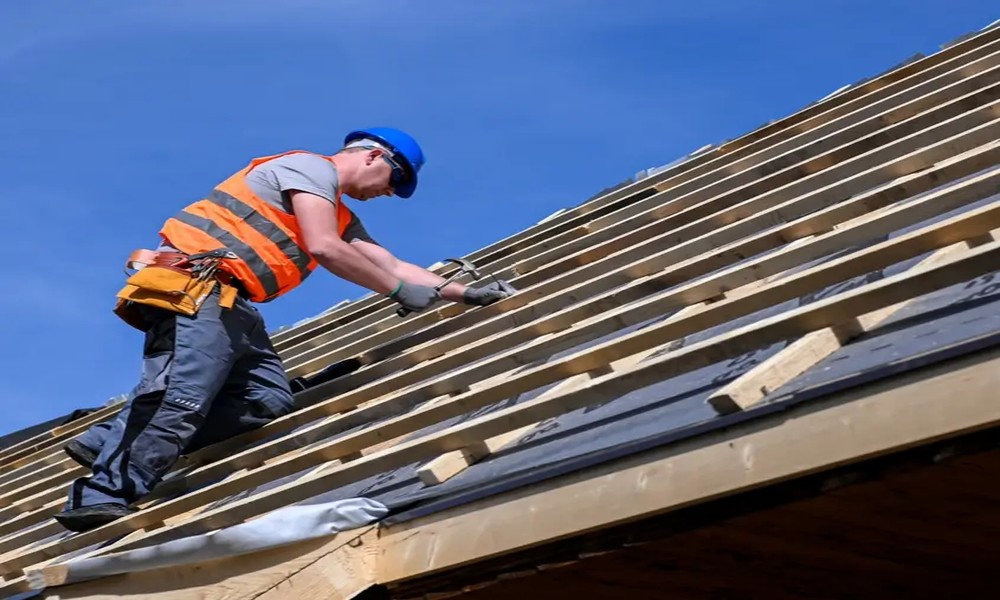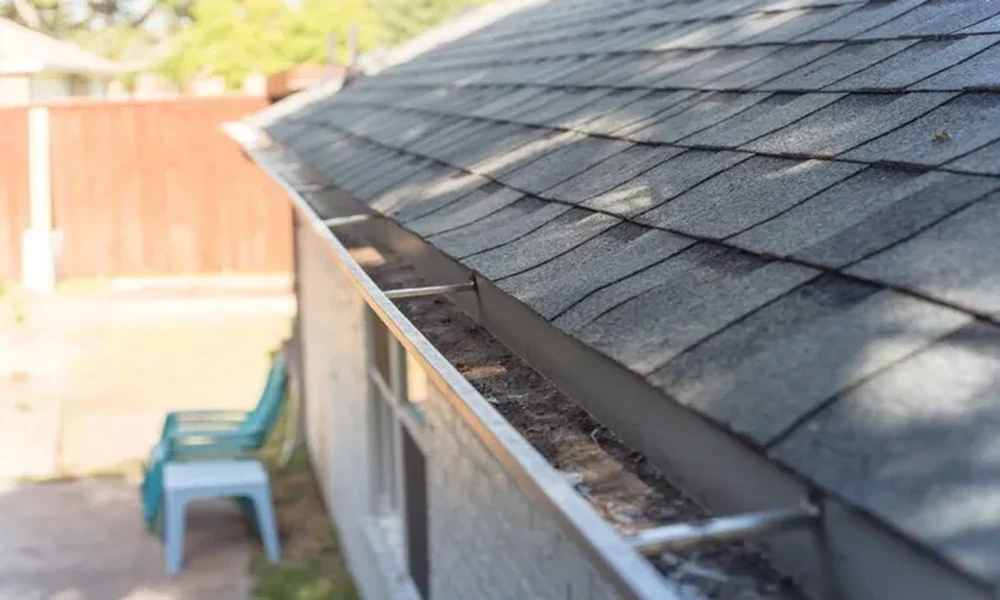
Eastern Pennsylvania gives a roof a little of everything. Humid summers bake shingles for months, fall storms drop wet leaves and branches, winter brings freezing rain and heavy snow, and spring swings between thaw and refreeze almost daily. Each of these conditions wears on roofing materials in a different way, and together they explain why two identical roofs can age very differently depending on where they sit and how they are cared for. Understanding these forces helps you plan maintenance, time repairs, and ask better questions when you speak with a roofing company in Lehigh Valley about your home.
This guide breaks down the main weather forces at work on a roof and the practical steps that reduce their impact.
Heat and Sunlight: Slow, Steady Aging
Ultraviolet light and summer heat break down the asphalt and protective granules on shingles over time. Surface temperatures on a dark roof can climb far above the air temperature, which speeds up the drying and cracking of roofing materials.
Signs of heat and UV wear include:
- Granule loss, often visible as grit in the gutters or downspout outlets
- Curling or cupping at shingle edges
- Brittle shingles that crack when handled
- Fading and uneven color across roof slopes
Attic ventilation plays a major role here. A hot, poorly vented attic bakes the roof from underneath as well, so balanced intake and exhaust airflow helps extend shingle life.
Freeze and Thaw: The Expansion Cycle
When water seeps into small gaps, cracks, or under flashing and then freezes, it expands and widens the opening. Repeated cycles over a winter can turn a hairline gap into a leak path. This is one reason spring is a good time to inspect a roof.
Areas most affected include:
- Flashing seams at chimneys, skylights, and sidewalls
- Cracked sealant around vent pipes
- Roof valleys, where water concentrates
- Edges and eaves, where meltwater often refreezes
Snow Load and Ice Dams
Snow adds weight and, when it melts and refreezes at the eaves, can form ice dams. These ridges block drainage and force water back up under the shingles. The root cause is usually heat escaping from the living space into the attic, which warms the roof deck and melts snow unevenly.
The most effective long-term defenses are:
- Adding or improving attic insulation
- Sealing air leaks between the living space and the attic
- Maintaining balanced attic ventilation
- Keeping gutters clear so meltwater has a path out
- Installing an ice and water barrier along the eaves during roof replacement
The U.S. Department of Energy offers practical background on how attic insulation and air sealing reduce heat loss in its guide to attic and roof insulation, a useful reference for understanding how to address the cause rather than just the symptoms.
Wind and Storm Damage
Strong gusts from thunderstorms and nor’easters can lift shingle edges, break the seal strips that hold them down, and drive rain sideways under loosened material. Wind damage often starts at the corners, ridges, and edges of the roof, where uplift forces are greatest.
- Missing or shifted shingles
- Lifted or creased tabs
- Damaged ridge caps
- Debris resting on the roof surface
- Bent or detached gutters and downspouts
Many storm problems are easier and cheaper to correct when found early.
Rain, Humidity, and Moisture
Persistent moisture encourages algae, moss, and lichen growth, especially on shaded slopes. Dark streaks are often algae and are mostly cosmetic, but moss can lift shingles and hold water against the surface. Humidity combined with poor ventilation can also lead to condensation in the attic, which may cause mold or damp insulation.
Basic steps to limit moisture damage:
- Trim overhanging branches to improve sunlight and airflow
- Keep gutters and valleys free of leaves and debris
- Avoid pressure washing shingles, which can strip granules
- Address algae with products recommended for roofing materials
Falling Debris and Tree Impact
Branches, acorns, and leaves cause both sudden and gradual damage. A falling limb can puncture or crack shingles, while accumulated debris in valleys and gutters holds moisture and clogs drainage. Regular trimming and cleanup reduce both risks.
How Material Choice Affects Weather Resistance
Different roofing materials respond to weather differently. Asphalt shingles are common and cost effective, with varying performance levels. Metal roofing sheds snow and water readily and handles temperature swings well. Slate and tile are long-lasting but heavy and need proper structural support. The best choice depends on budget, roof design, local conditions, and how long you plan to stay in the home.
A Year-Round Inspection Rhythm
Instead of waiting for visible damage, many homeowners benefit from a simple routine:
- Spring: Check for freeze damage, lifted flashing, and debris after winter
- Summer: Look for heat-related wear and clear any shaded moss or algae growth
- Fall: Clean gutters, trim branches, and check flashing before the cold arrives
- After severe storms: Do a quick ground-level inspection for visible damage
Use binoculars from the ground rather than climbing onto the roof yourself, since roofs are steep, slippery, and dangerous.
When Repair Is Enough and When to Replace
Repairs are generally suitable for isolated damage on a roof that is otherwise sound. Replacement becomes worth discussing when:
- Damage is widespread rather than localized
- Shingles are curling, cracking, or shedding granules across large areas
- Leaks keep returning after repairs
- The roof is near the end of its expected service life
- The decking beneath is damaged or soft
A reputable contractor should show you photos or evidence of what they find and explain the reasoning behind each recommendation.
Questions to Ask a Roofing Contractor
- What is causing the problem, and how can I see the evidence?
- Is a repair or a replacement the better value in my situation?
- What underlayment, ventilation, and ice protection will be used?
- How will flashing be handled at chimneys, valleys, and walls?
- What warranties cover the materials and the workmanship?
- Are licensing and insurance documents available?
Final Thoughts
A roof is constantly negotiating with the weather, and the winner is usually decided by details: ventilation, flashing, insulation, drainage, and timely maintenance. Learning how each season affects your roof lets you respond early and spend money where it matters. Inspect regularly, address small issues quickly, and choose professionals who explain their reasoning clearly.